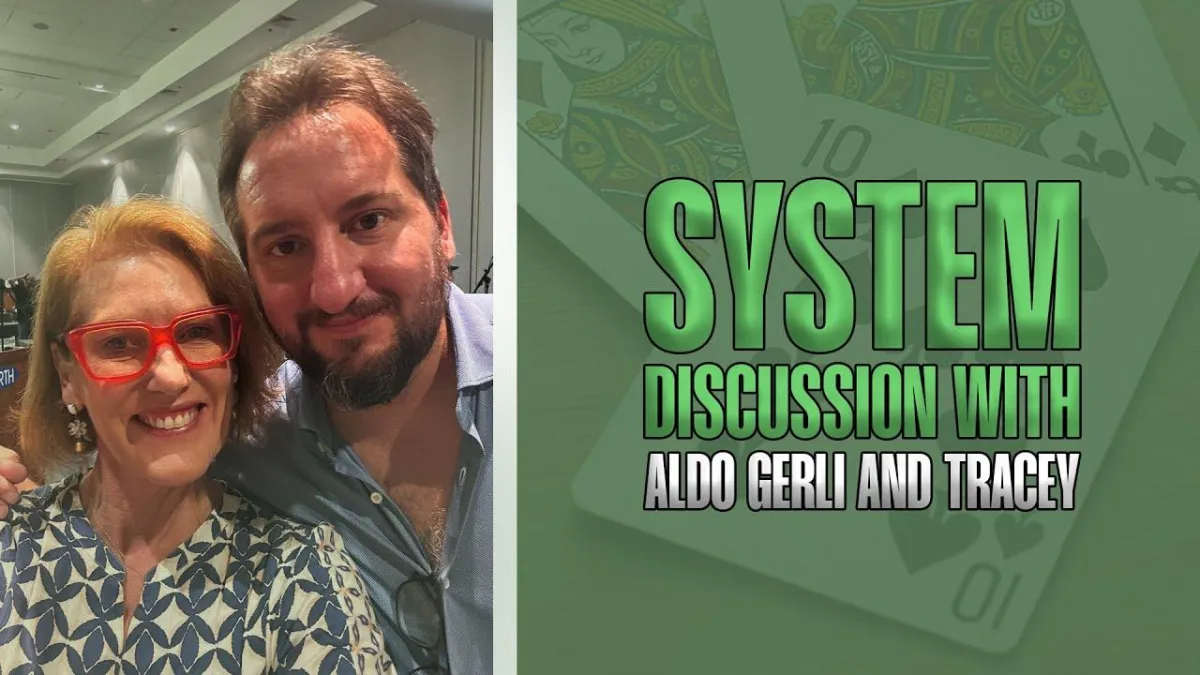
Inside the Summer Nationals Philadelphia: Our Journey Through the Lifemaster Pairs
As an avid bridge player, few experiences compare to the thrill and challenge of competing in a major national event. Recently, I had the pleasure of partnering with Aldo Gerli, a seasoned player from Italy, as we took on the Lifemaster Pairs competition at the Summer Nationals in Philadelphia. Over three intense days, we navigated the complexities of our bidding system, faced tough opponents, and reflected on our performance with a focus on continuous improvement. I want to take you behind the scenes of our system card discussion.
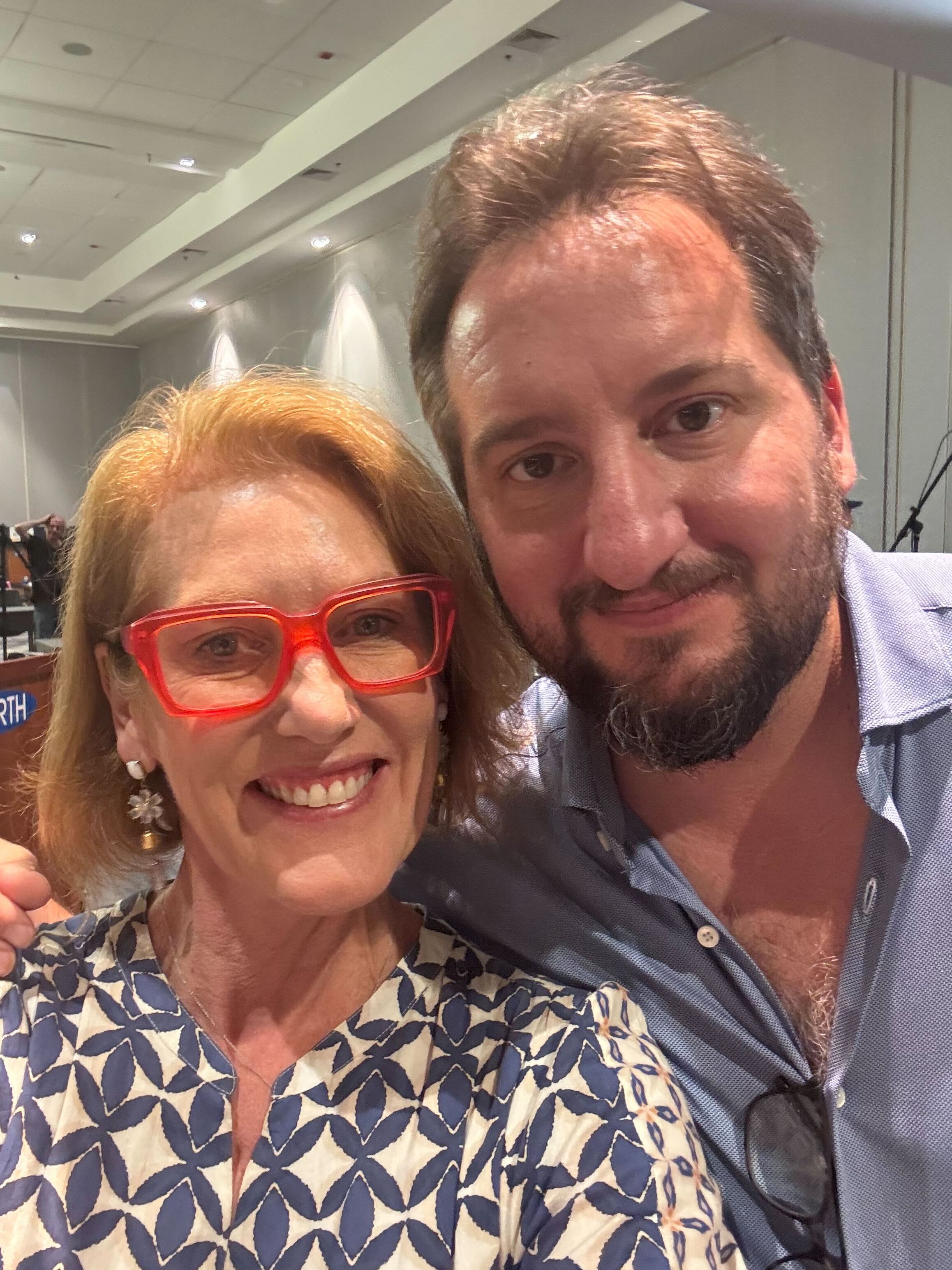
Setting the Stage: The Summer Nationals Philadelphia
The Summer Nationals is one of the premier events on the North American bridge calendar, attracting hundreds of skilled pairs. This year, 319 pairs started the Lifemaster Pairs competition, a grueling three-day event where qualification is required after each day to continue. Aldo and I were excited but mindful of the challenge ahead.
Our initial strategy was straightforward: on the first day, our goal was to "sit in our seat" and score around 50% to comfortably qualify for day two. The second day was critical — to contend for the title, we needed to perform strongly and maintain our momentum. The third day would be the ultimate test, with the field narrowing to the top 78 pairs, culminating in a barometer-style final session.
Our Bidding System: Simple, Comfortable, and Effective
Given that this was our first time playing together in such a major event, Aldo and I agreed on a system that prioritized comfort and clarity. We wanted to minimize stress and focus on defense and declarer play rather than getting bogged down in complicated bidding sequences.
Two Over One
Our foundation was the Two Over One bidding system, tailored for a 5-5-3-3 hand distribution.
Tournament Reflections: Triumphs and Challenges
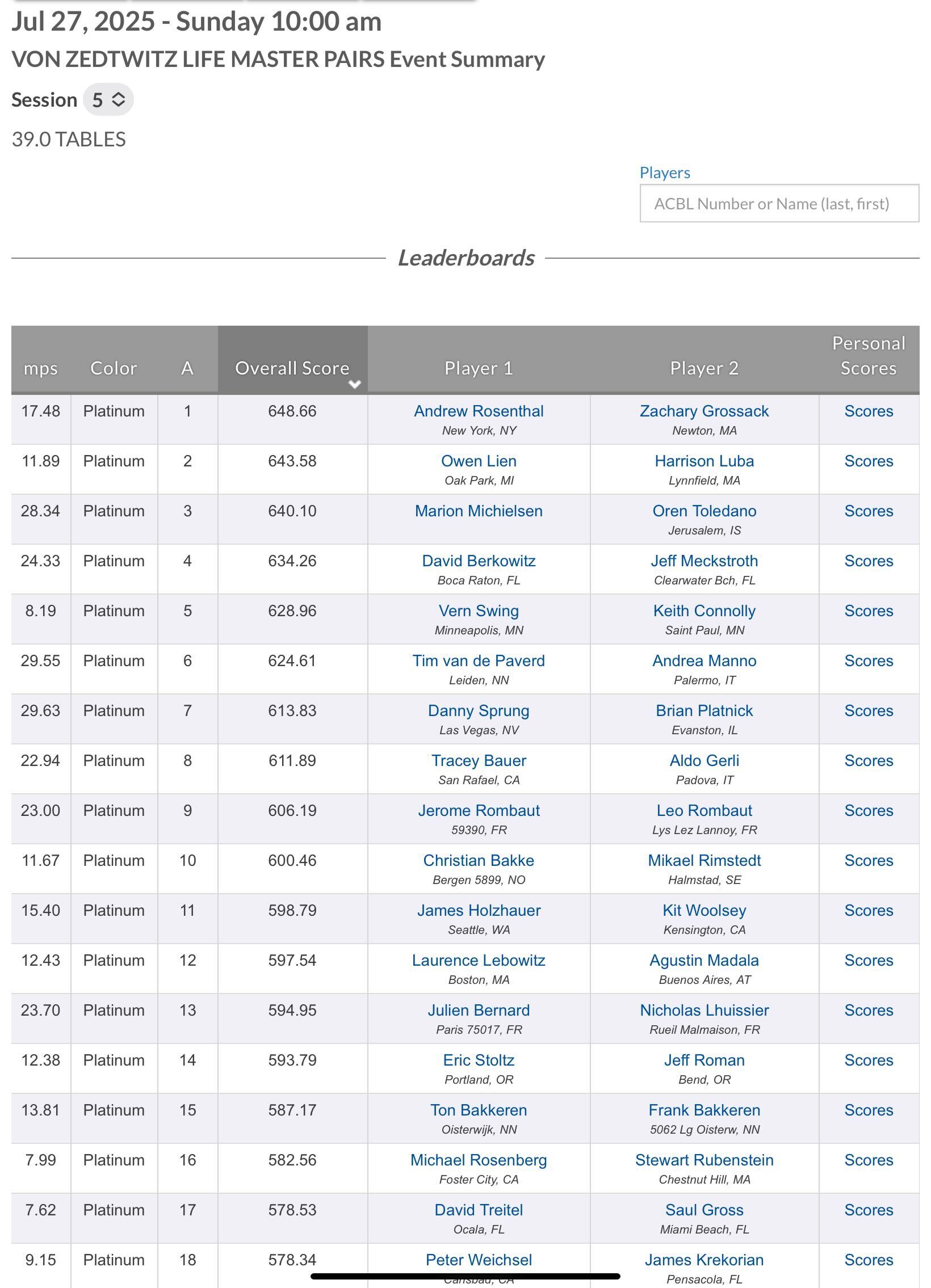
Our first day exceeded expectations. We scored 59% and 61% in the two sessions, placing us in a strong position with a significant carryover into day two. However, day two presented an unexpected challenge: we were assigned the double East-West position for all six sessions. This is a tough spot because the East-West boards were particularly challenging, and we found ourselves often "just sitting in our chair," unable to influence the outcome much.
Despite this, we qualified for the final day in 62nd place out of 319 pairs — a solid achievement. The third day was a rollercoaster. A strong morning session catapulted us to 8th place, but a poor final session dropped us to 44th overall. Still, we had three section tops during the event, including both sessions on Friday and the Sunday morning session.
Beyond the Table: The Spark Auction and Community
Aldo is not only a fantastic partner but also a dedicated contributor to the bridge community. He has been actively involved in the Spark Auction, an annual fundraiser supporting junior bridge players and programs. If you're interested in giving back or learning more, I encourage you to visit BridgeUnleashed.com where you can find more info about SPARK! that raises money for the ACBL Educational Foundation and is earmarked for junior bridge programs.

Final Thoughts: Keeping It Fun and Stress-Free
One of the most important lessons from this event was the value of keeping our system simple and comfortable, especially as a new partnership. This approach allowed us to focus on the aspects of the game we enjoy most — defense and declarer play — without unnecessary stress. After all, bridge is a game meant to be enjoyed.
I hope sharing our system discussions, tournament experiences, and reflections provides useful insights for fellow players, whether you're new to competitive bridge or looking to refine your approach. If you have questions or topics you'd like me to explore in future posts, please leave a comment.
Thank you for joining me on this journey through the Summer Nationals Philadelphia Lifemaster Pairs. Here's to many more exciting bridge adventures ahead!
Watch this Reel— smooth, simple, stress-free bridge

Bridge, explained without the gatekeeping.
Every post here comes from the same place the workshops do, championship-level bridge taught in plain English. Here is what you will find:

Conventions, Explained
The bidding tools tournament players rely on, taken one at a time. Stayman, Jacoby Transfers, Negative Doubles, Weak Two Bids, and the rest of the fifty. Each one in plain English, with the hands that show you why it works.

Play and Defense
How to plan a hand before you play to trick one, count the room, and read your partner’s signals. These are the skills that turn a decent bidder into a player who brings the contract home.

Stories From the Table
World champions, legendary partnerships, and the culture of the game. Interviews and tournament coverage you will not find anywhere else, from someone who plays in the events.

Start From Zero
Never held thirteen cards before? Start with the glossary and the beginner guides. No jargon, no judgment, no club politics. Everybody starts somewhere and nobody here will make you feel it.

About Me
CHAMPIONSHIP BRIDGE, TAUGHT FOR TODAY
Two-time World Bridge Federation Women’s Spring Festival Champion, 2020 and 2022
Lifetime Platinum Member, over 200 platinum points, a rare distinction
Member of the American Contract Bridge League, the United States Bridge Federation, and the World Bridge Federation
Teaching bridge the way tournament players actually play it, with no gatekeeping and no jargon
Let’s make the game click, together.