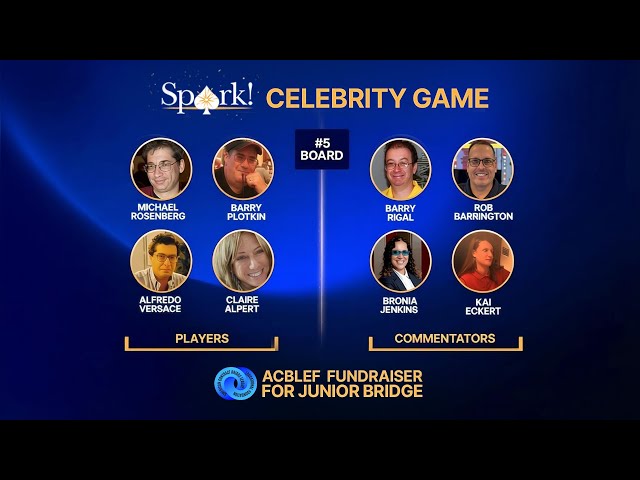
Inside the Drama of a Six Spades Slam: Bridge Commentary, Insights, and a Director Call
Introduction: More Than Just a Game
As an avid bridge enthusiast and commentator, there are few moments more exciting than watching a board unfold in real-time—especially when a slam is on the line. Each hand tells its own story, and today, I had the unique chance to examine a particularly intriguing board in advance, centered around a six spades contract. What transpired on this hand—including debates about bidding interpretations, alert procedures, and even a director call—reminded me just how rich, complex, and human our game can be.
Let me walk you through the highlights, the "thinking behind the cards," and yes, the laughs and drama that go hand in hand with high-level bridge.
Setting the Scene: The Bridge Board in Focus
Early Assessments and Slam Potential
From the get-go, this board looked "slammy." I mentioned to my fellow commentator—it genuinely seemed like a good slam in spades, at least with the cards as we saw them. That's one of the joys of commentary: we get a sneak peek, while the players operate with far more limited information.
But candidly, a good slam in bridge isn't just about raw card power. It's all about timing, partnership understanding, and—sometimes—a little bit of luck with the lead.
The Six Spades Contract: "Would You Bid It?"
As the auction unfolded, the players wound up in six spades. The hand divided opinion in our commentary booth: Is this really a good slam? I sat back and thought, "Would I get to this slam if I were at the table?" It's possible, yes—but only if everything comes together. There's a balancing act here, evaluating controls and working out what your partner's bids mean.
Decoding the Bidding: The Three Clubs Enigma
When a Bid Means Many Things
What truly brought the board to life was East's three clubs bid. Here's the thing: bridge bidding often isn't straightforward. That three clubs could signal a two-suited hand (at least in some partnerships, as I mused on the commentary). But whether or not everyone at the table picked up on that meaning became a central question—and a big source of controversy.
Alerting and Explanations: Where Communication Slips
In tournament bridge, certain bids (like that three clubs) need to be "alerted," so opponents know they have a special or non-obvious meaning. In this match, we saw the alert—the little asterisk was there. But here's where things went astray: I don't recall any verbal explanation, and it seemed neither North nor South clocked the alert.
This is a real lesson in live bridge: an alert tab or symbol isn't enough if the opponents miss it, or if there isn't a clear explanation. Misunderstandings like this can make or break a contract—especially at the slam level.
A Director Call and the Trick-by-Trick Play
The Director Steps In
As the hand played out, it became clear there was confusion. Michael—a familiar voice in our broadcast—didn't realize what was meant by three clubs. Eventually, a director was called. Now, this might seem like a mundane admin step, but in the heat of a close match, a director call can shake things up. There's always that moment of uncertainty, as we commentators (and players!) hold our breath and see how it'll resolve.
Deep Dive Into Play: Hearts and Clubs in the Spotlight
Back to the play itself: Declarer's choices—especially when a heart was led at trick one—told me they didn't "have the full story" about the hand's distribution. This kind of subtle reading is a hallmark of expert-level bridge. There were also fascinating moments analyzing club and heart plays, debating whether the King of Hearts was onside, and trying to deduce what the lead actually told Declarer about the opponent's hand.
The Human Element: Partnership, Banter, and Broadcast Energy
Agreements and Intuition
Another theme that cropped up (and one I always enjoy highlighting) is the way partnerships develop their own language—sometimes explicit, sometimes just "knowing" what partner's bid means. Here, the players were old hands, and I'd have bet they were on the same page... but that isn't always guaranteed!
Light Moments: Banter in the Booth
Not everything was about confusion and director calls. In true bridge fashion, there was laughter, too: welcoming viewers into the Vugraph room, joking about a player's punctuality, and some lighthearted ribbing. It reminds me that while bridge is a game of calculation and nerve, it's also about camaraderie—a shared love for the battle of wits.
Conclusion: Lessons From a Slam
What did I take away from this session? First, every bid and every alert matters. Misunderstandings in explanations can have a ripple effect—from the action at the table to a director's intervention. Second, partnership trust (and knowing your agreements!) can be the making—or undoing—of a slam. And third, this game we love is full of real-time drama, both intellectual and human.
Whether you're a casual club player or aspiring champion, boards like these remind us why we love bridge: it's a game where strategy meets psychology, where precision meets improvisation, and where every hand offers new lessons in partnership and play.
About the Author:Tracey Bauer is a member of the World Bridge Federation (WBF), United States Bridge Federation (USBF), and American Contract Bridge League (ACBL) with over 20 years of playing experience. Through Bridge Unleashed, she combines 30 years of marketing and technology expertise with her passion for bridge to help modernize the game through AI innovation, video content, social media, and strategic marketing for clubs and organizations.
Want to improve your slam bidding and partnership communication? Contact Bridge Unleashed for coaching, commentary services, and bridge content creation.
FAQ SECTION
Q1: What does it mean when a bridge bid needs to be "alerted"?An alert indicates that a bid has a special or non-standard meaning that opponents might not expect. Players must alert these bids and provide clear explanations when asked to ensure fair play and prevent misunderstandings.
Q2: When should you call the director during a bridge game?You should call the director whenever there's confusion about bidding explanations, disputed rulings, timing issues, or any irregularity during play. Directors are there to ensure fair play and resolve disputes impartially.
Q3: How do expert partnerships develop their bidding systems?Expert partnerships spend significant time discussing agreements, reviewing hands after play, and refining their system based on experience. They document their understandings and regularly practice auction sequences to ensure alignment.
Q4: What makes a slam a "good" slam in bridge?A good slam typically has reasonable odds of success (generally 50% or better), doesn't rely on multiple low-probability conditions occurring simultaneously, and makes sense given the information available during the auction. Some slams are excellent on power, others require finding key cards favorably positioned.
Q5: Why is the opening lead so critical in slam contracts?The opening lead can dramatically affect slam outcomes because declarer often needs to establish tricks before defenders can cash winners. An aggressive lead might give away a crucial trick, while a passive lead might allow declarer time to develop the tricks needed. Against slams, defenders must balance these considerations carefully.
Q6: What's the role of Vugraph commentary in bridge tournaments?Vugraph commentary provides real-time analysis and explanation of high-level bridge matches, making the game accessible and entertaining for spectators. Commentators explain expert thinking, discuss alternative lines of play, and provide insights that help viewers understand the complexity of championship bridge.
